Kwara bloodbath: unmasking the terror commander

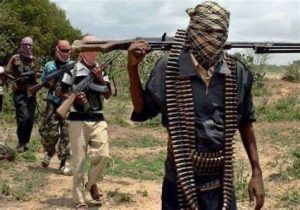
No fewer than 176 residents were killed on Tuesday when heavily armed terrorists attacked Woro community in Kaiama Local Government Area of Kwara State, in what security sources confirmed was a calculated expansion of jihadist operations into Nigeria’s North-Central region.
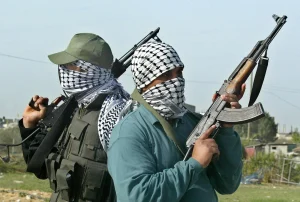
According to investigations, it revealed today that the massacre was orchestrated by Abubakar Saidu, also known as Sadiku, a longtime Boko Haram commander described by analysts as the “Shekau of the North-Central.” The attack occurred despite prior warnings sent to security agencies weeks earlier.
Sadiku, a former trusted lieutenant of late Boko Haram leader Abubakar Shekau, has spent over a decade rising through insurgent ranks. Military pressure in the North-East forced him westward, where he established a stronghold in the Kainji Forest Reserve, spanning Niger and Kwara states. Security experts now describe the forest as Nigeria’s “new Sambisa.”
On the day of the attack, gunmen arrived on motorcycles around 5pm, surrounded Woro, blocked exit routes and launched a coordinated assault. Survivors said the attackers stormed homes, burned the emir’s palace, stopped motorists and executed residents over several hours. The violence lasted until about 2am, after which the attackers retreated into the forest with abducted women and children.
Community leaders confirmed that a warning letter dated January 8, signed by Jama’atu Ahlis Sunna Lidda’adati wal-Jihad (JAS), had been submitted to traditional authorities and the Department of State Services (DSS), requesting a meeting and promising no harm.
Security analysts linked Sadiku’s faction to Jama’at Nusrat al-Islam wal-Muslimin (JNIM), an Al-Qaeda affiliate active in the Sahel. Recent attacks in Kaiama, Baruten and Borgu suggest growing cooperation between both groups around the Kainji axis.
Intelligence officers said rescue efforts were delayed because explosive devices were planted on access roads, damaging security vehicles and slowing response time. Soldiers reportedly arrived around 3am, after the attackers had withdrawn.
Survivors described the community as largely deserted, with farms abandoned and economic activities halted. Over 50 injured victims are currently receiving treatment in hospitals in Ilorin.
Reacting to the attack, Kwara State Governor AbdulRahman AbdulRazaq set up a seven-member committee to coordinate humanitarian relief and rebuilding efforts in Woro. The senator representing Kwara North, Sadiq Umar, called for sustained security operations across the district.
Security experts warn that attacks will continue unless porous borders, weak rural security, poor accountability and limited coordination among agencies are urgently addressed.